



What information do you need?
Knowledge is a tool for safety. Explore these core areas to understand the resources and rights available to you.
Safety Planning
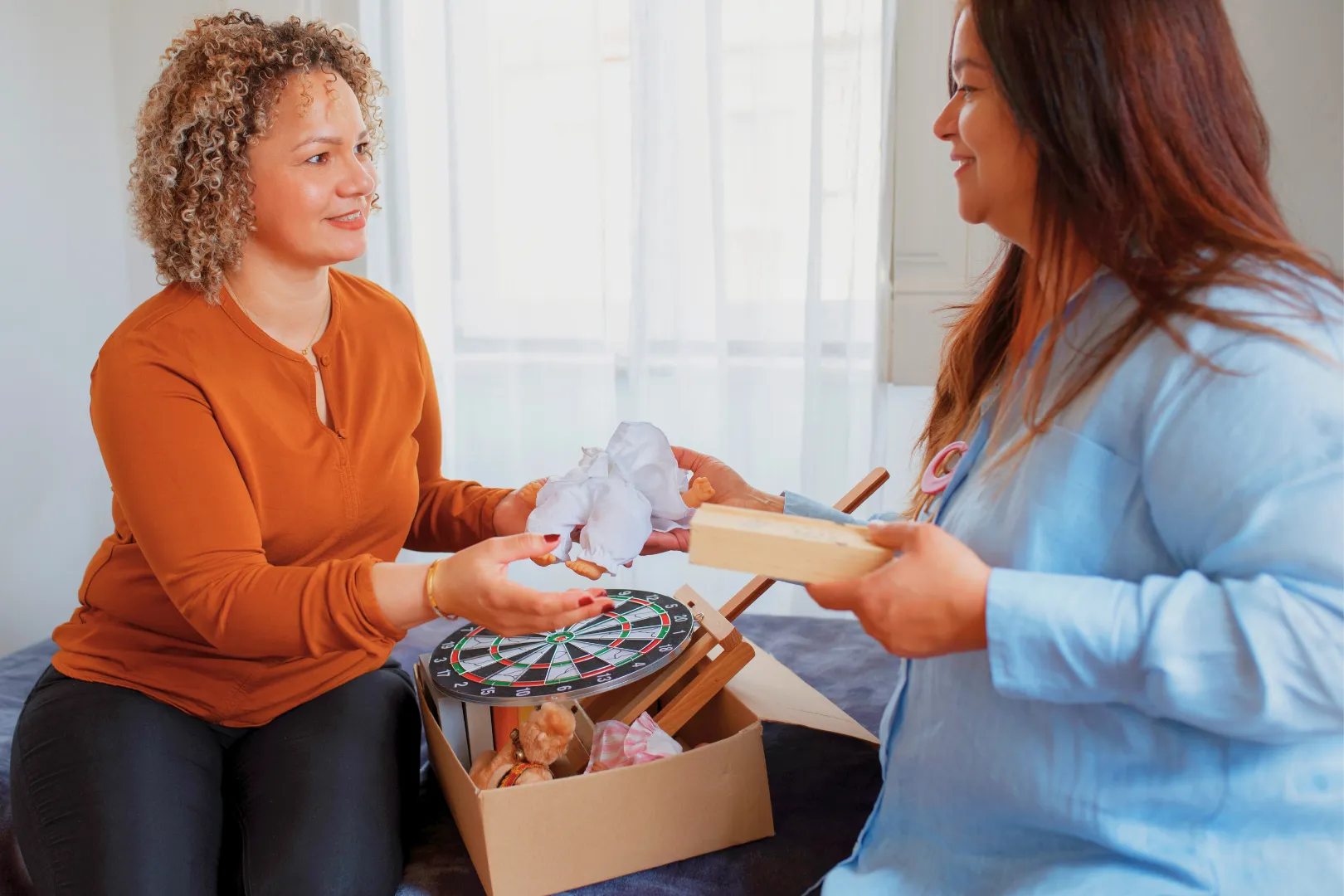
Customized strategies to help you stay safe whether you choose to stay in your relationship or leave.

Legal Advocacy

Information on injunctions for protection, court accompaniment, and navigating the legal system.
Medical Exams

Confidential medical services and evidence collection after sexual assault by specialized SANE nurses.
Counseling & Support

Individual and group therapy for survivors of all ages to process trauma and rebuild strength.

Emergency Shelter
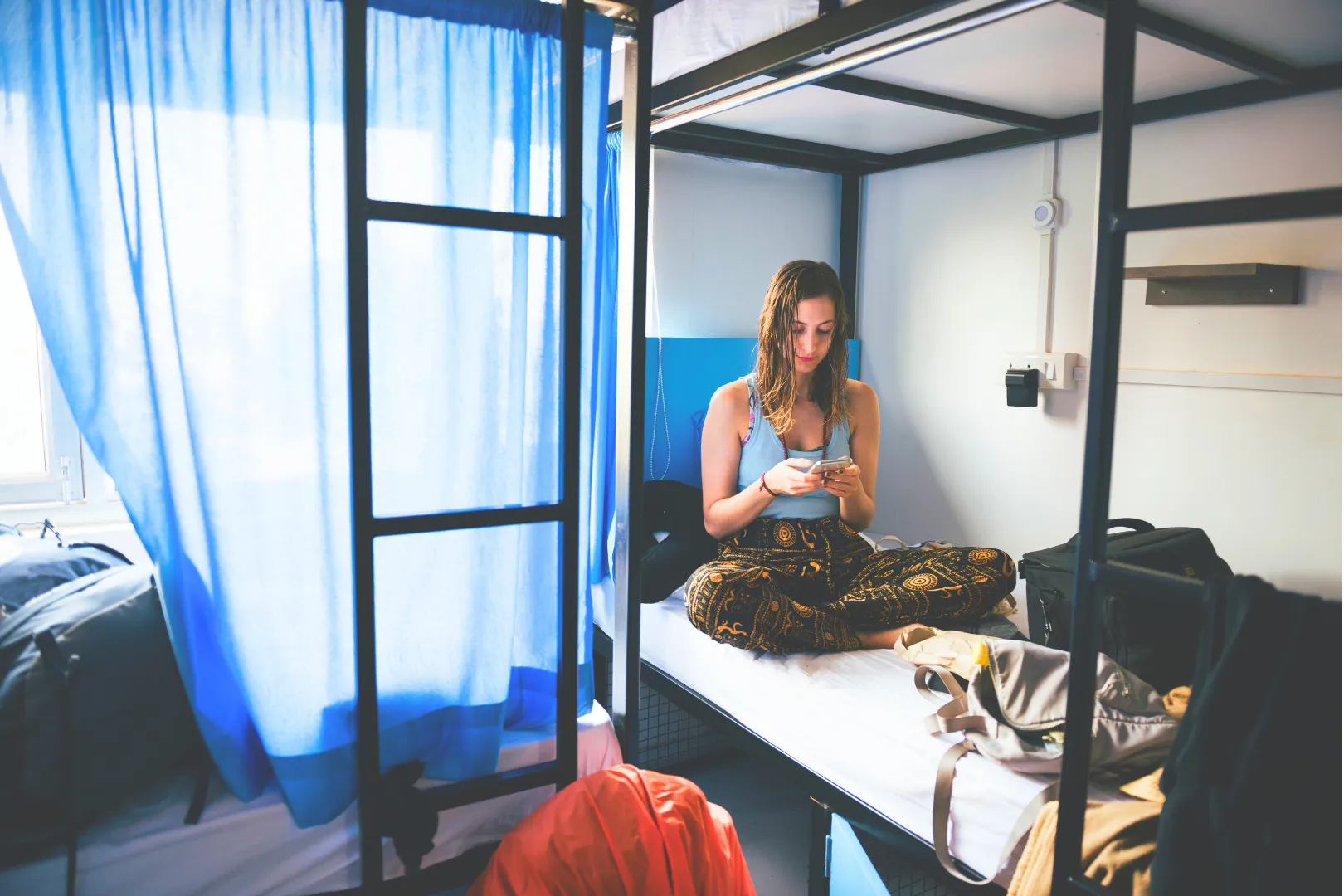
Secure, temporary housing for you and your children when your home is no longer safe.

Victim Compensation

Help accessing financial assistance for medical bills, lost wages, and other crime-related costs.

Making a safe plan
A safety plan is a personalized, practical tool that can help you lower your risk of being hurt by your partner. It includes specific ways to stay safe while in the relationship, planning to leave, or after you have left.

If you are viewing this on a shared computer or device, your browsing history can be monitored. Use incognito mode and remember the QUICK EXIT button at the top of the page.

Safety at Home
Identify safe areas in your house with multiple exits and no weapons.

The Go-Bag
Keep a hidden bag with documents, keys, and cash in case you must leave quickly.

Safe Contacts
Establish a code word with trusted friends to signal when you need help.


Child Safety
Teach children how to dial 911 and where to go if things escalate at home.

Digital Security
Secure your passwords, turn off location tracking, and use private devices.


Workplace Plan
Inform security or HR if you have an injunction so they can help protect you.


Common questions about support
Select a scenario to learn more about how we can support your specific needs.
Still have questions?
Our advocates are ready to talk through any concerns you have about shelter, safety planning, or your specific situation.
Call Now

Understanding the legal path
You have the right to choose if, when, and how you involve law enforcement or medical professionals.
Medical Exam
A confidential medical exam to document injury and collect evidence after sexual assault.
- Available within 120 hours – Must be accessed within five days of the event.
- Free & confidential – Provided at zero cost with full privacy assured.
- No police report required – Access services without filing a formal report.
- Performed by specialists – Conducted by trained medical staff.
Police Report
Making a formal statement to law enforcement regarding the abuse or assault.
- Starts criminal investigation – Triggers a formal inquiry by law enforcement.
- Evidence collection focus – Centers on gathering physical proof.
- Advocate accompaniment – Supportive staff present during your exam.
- Can lead to arrest – Gathered proof can support suspect detention.
Injunctions
Legal protection orders (Restraining Orders) to keep an abuser away from you.
- Civil court process – Handled in civil court to secure protective orders.
- Defines safe boundaries – Establishes legally enforceable non-contact zones.
- Legal advocate help – Direct guidance from certified victim advocates.
- Violations lead to arrest – Breaking court terms results in immediate detention.
Confidential Only
Processing your trauma with counselors without involving any authorities.
- Private therapy – Confidential counseling with licensed specialists.
- Zero reporting risk – Complete privacy without obligation to tell police.
- Emotional focus – Dedicated entirely to personal mental health care.
- Healing at your pace – Process your trauma safely on your own timeline.

A safe place to rest & recover.
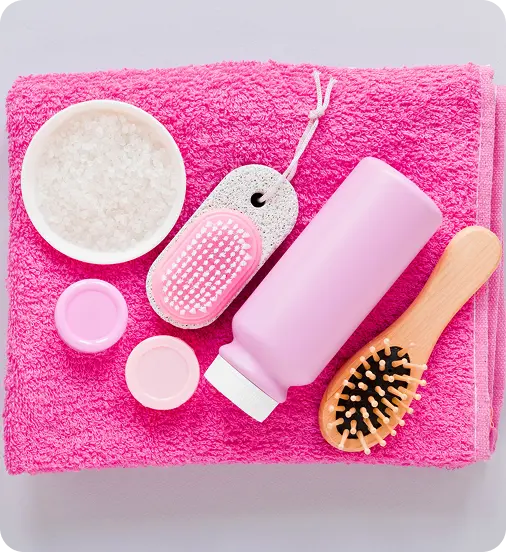
Our emergency shelter is more than a roof—it’s a therapeutic community. We provide food, clothing, hygiene products, and emotional support in a secure, confidential location.

Emergency Housing
Our emergency shelter is a secure, therapeutic community.
Our emergency shelter is more than a roof—it’s a therapeutic community. We provide food, clothing, hygiene products, and emotional support in a secure, confidential location to restore safety, dignity, and peace of mind.
 Check Availability
 Call 24/7 Hotline
Shelter Image

Shelter Image

Shelter Image
Shelter Image



Professional Trauma Counseling
Our licensed therapists specialize in trauma recovery. Whether you need one-on-one sessions or the comfort of a group, we are here.
Individual Therapy

Private, one-on-one personalized sessions tailored to your unique healing journey and building long-term coping strategies.

Children's Counseling

Age-appropriate care using play and creative art therapy to help children heal from witnessed or experienced trauma.

Support Groups
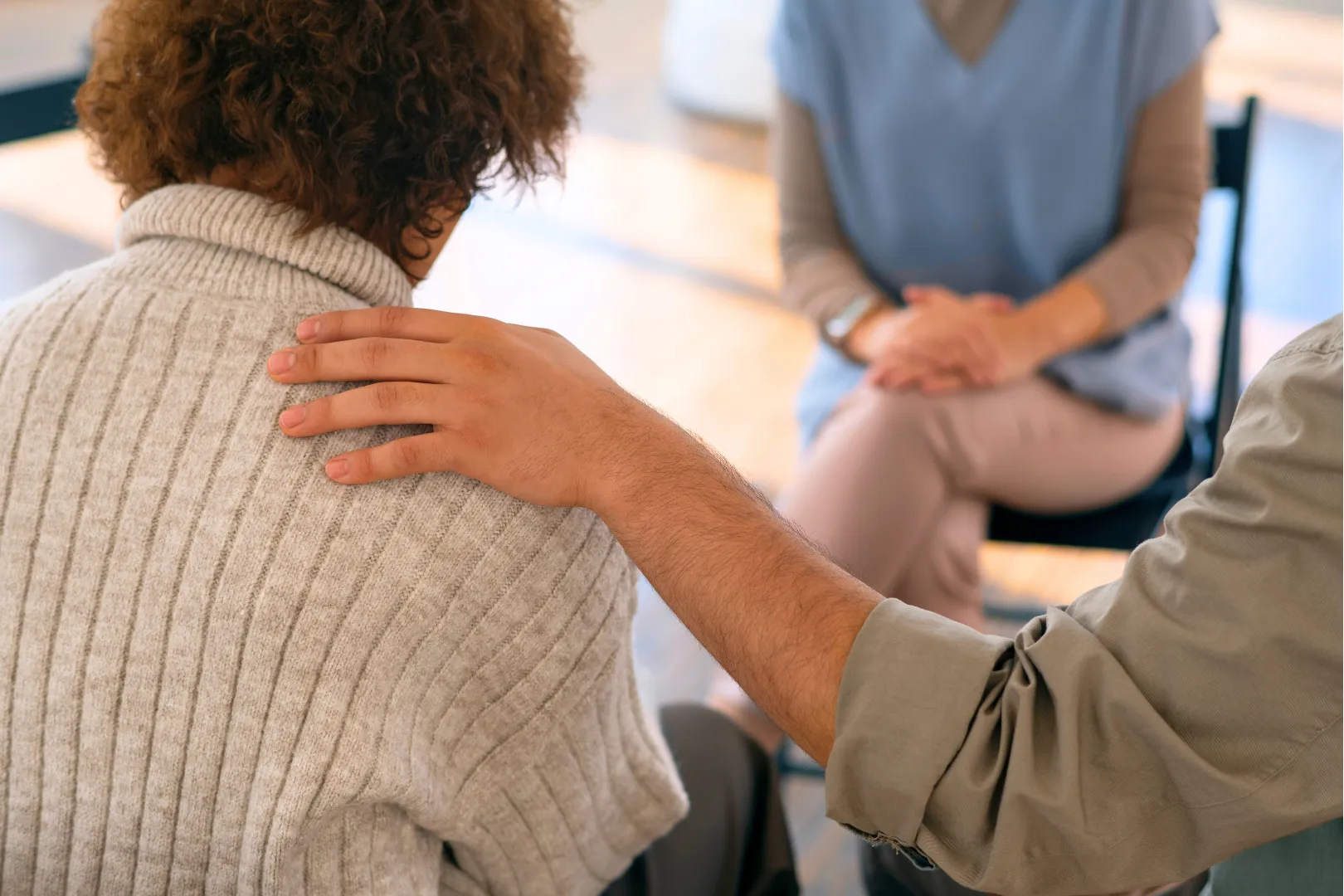
Connect with fellow survivors in a safe, compassionate space to share experiences, build connections, and find strength.

Helping someone you love
It can be painful to watch someone you care about experience abuse. Knowing how to support them without judging or pressuring them is the most important gift you can give.

Do’s
- Listen without judgment: Focus entirely on hearing their story, offering empathy, and validating their emotions rather than offering immediate advice or interruptions.
- Prioritize their safety: Center your support on establishing immediate emotional and physical safety, rather than analyzing the abuser’s motives or behavior.
- Validate their feelings: Reassure them that what they experienced was real, that their emotional reaction is completely valid, and that they are not to blame.
- Empower their choices: Respect their personal autonomy by letting them control the healing timeline, decisions, and next steps at a pace that feels safe to them.

Dont’s
- Don’t force a decision: Avoid telling them they must leave immediately or demanding drastic choices, as taking away their control can feel deeply overwhelming.
- Don’t judge their path: Refrain from criticizing their past choices, complex feelings toward the abuser, or hesitation to take formal legal action right away.
- Don’t place any blame: Never ask why they didn’t speak up sooner or leave earlier, as shifting accountability onto the victim compounds trauma and guilt.
- Don’t breach trust: Resist sharing their sensitive story or status with others without explicit permission, ensuring their personal privacy remains intact.
 In Immediate Danger? Call 911

Common questions about support
Select a scenario to learn more about how we can support your specific needs.
Still have questions?
Our advocates are ready to talk through any concerns you have about shelter, safety planning, or your specific situation.
Call Now