


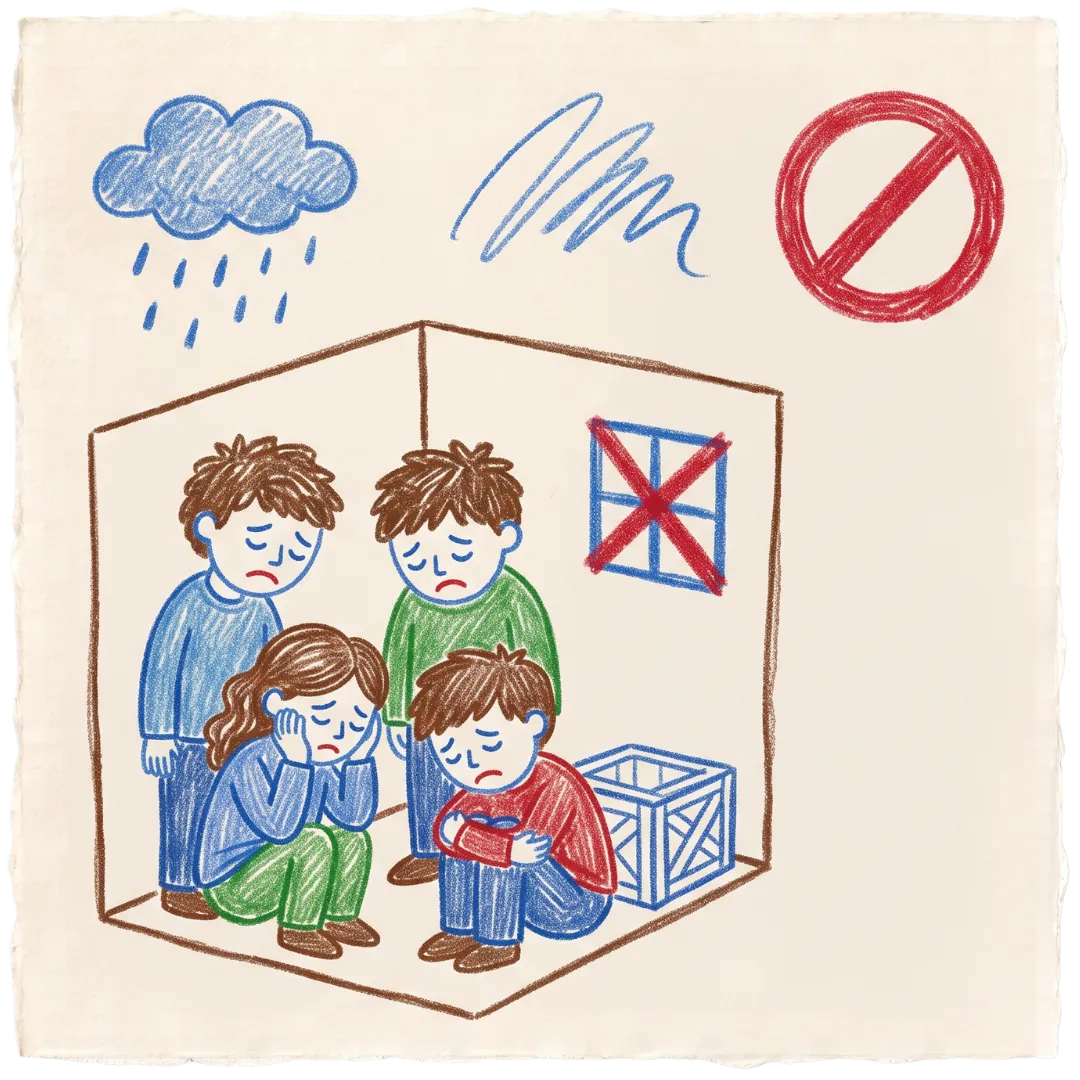
Exploitation can take different forms
Human trafficking is about exploiting another person for someone else’s benefit.
Traffickers may use threats, violence, false promises, debt, isolation, manipulation, withheld wages, control of documents, or other forms of coercion to make it difficult for a person to leave or ask for help.
Human trafficking can affect people of different ages, backgrounds, nationalities, and circumstances.

Labor trafficking

Someone is forced, threatened, deceived, or coerced into working or providing services they cannot freely leave.

Sex trafficking

Someone is forced, threatened, manipulated, or coerced into commercial sexual activity for another person’s benefit.

Exploitation of minors

Under federal law, a person under 18 who is induced to engage in commercial sex is considered a victim of human trafficking even when force, fraud, or coercion is not present.

Control and coercion

A trafficker may control money, identification, transportation, housing, communication, relationships, or access to basic needs.

False promises and manipulation
A person may be recruited through promises of a job, housing, money, affection, protection, or a better life and later find themselves being exploited.
![a-g-e-d (6) -> 81 * [space] p-e-r-s-o-n (7) -> 8](https://actabuse.com/wp-content/uploads/2026/09/Abuse-Counseling-and-Treatment-Reporting-and-getting-help.webp)
Be alert. Be strong. Be free.
Turn the current ACT poster into an educational section rather than displaying it only as an image. Human trafficking can be difficult to recognize. One sign alone does not prove trafficking is happening, but a combination of warning signs may be a reason to ask questions or seek help.

Someone controls their movement
They cannot freely come and go, have their schedule controlled, or are rarely allowed to be alone.
They are threatened or afraid
Someone threatens them, their family, their housing, immigration status, finances, or safety.
They cannot leave their work
They are pressured or forced to work, work unusually long hours, or cannot leave the job or situation freely.
Their money or documents are controlled
Someone withholds wages, takes their earnings, creates a debt they cannot repay, or controls identification or travel documents.
They are being sexually exploited
Someone is forcing, pressuring, or profiting from commercial sexual activity.
They appear closely controlled
Another person speaks for them, tells them what to say, monitors communication, isolates them from trusted people, or prevents access to food, sleep, medical care, or other necessities.
Important Note: You do not need to see every warning sign — and no single sign proves that trafficking is occurring.

You can take one step at a time
Healing doesn’t happen all at once. We are here to support you at every stage, from immediate safety to long-term recovery.
Talk with an advocate
Ask questions about what is happening, discuss immediate concerns, and learn about services and resources.
You do not need to know exactly what kind of help you need before calling.

Think about safety
Consider safe communication, trusted people, important documents, transportation, children, medications, and where you could go if you needed to leave.
Avoid making sudden changes if doing so could increase danger.

Find somewhere safer to stay
ACT provides shelter and residential support for adult survivors of human trafficking and their children.
An advocate can discuss shelter and other possible options.

Get ongoing support
Explore counseling, advocacy, legal services, case management, referrals, and other services that may help with longer-term needs.


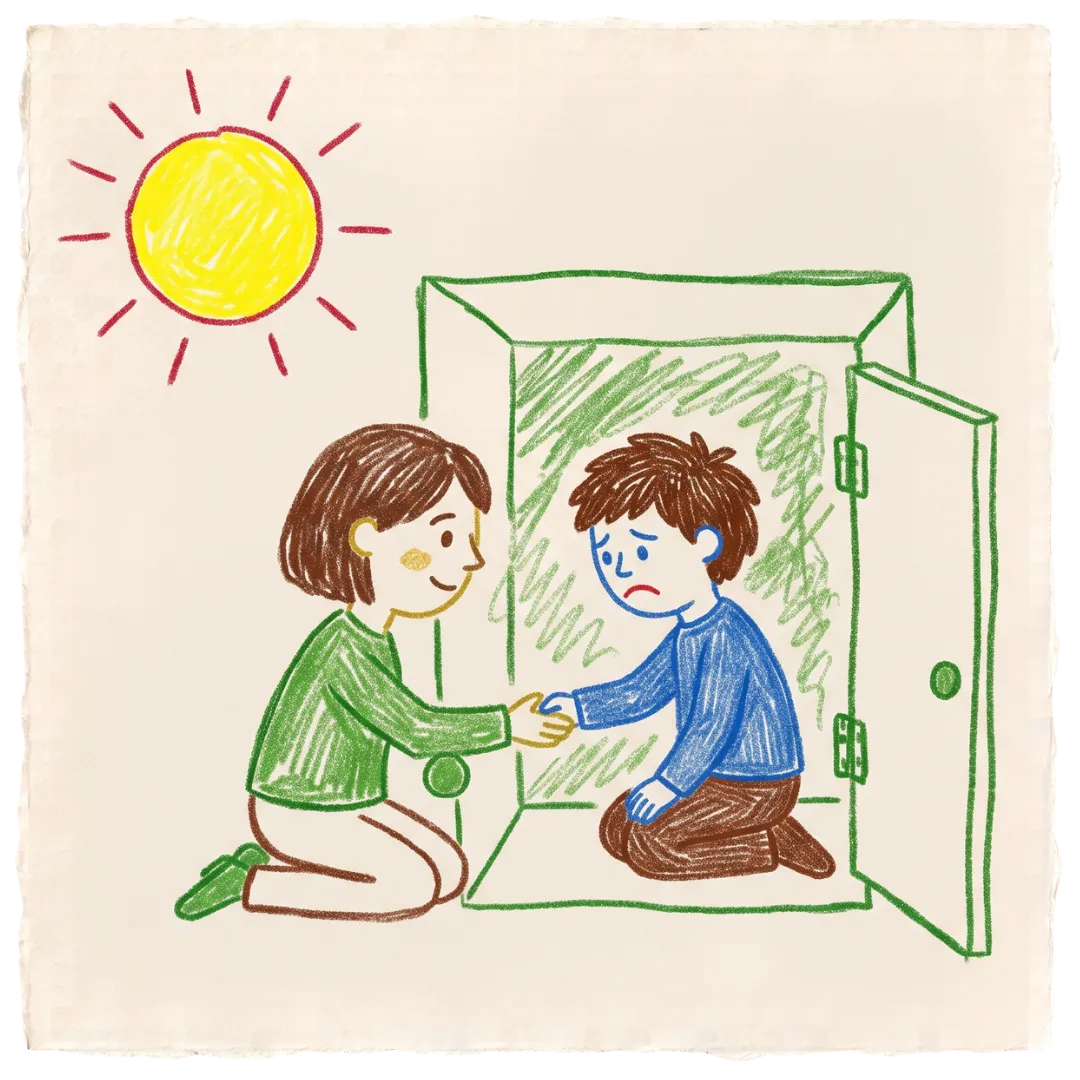
Support is available
Here are the three primary paths you can explore.
Immediate support

- 24-hour helpline
- Crisis counseling
- Safety planning
- Information and referrals
- Emergency shelter
- Help understanding options

Ongoing support

- Clinical counseling and therapy
- Case management
- Advocacy
- Legal services and referrals
- Residential support
- Coordination with partner agencies
- Referrals for specialized services

Community and professional support

- Human trafficking education
- Professional training
- Prevention and awareness programs
- Community outreach
- Coordination with service providers
- Partnerships with law enforcement and community agencies
ARTREACH
ACT also participates in prevention and awareness initiatives such as ARTREACH, an interactive creative-arts program developed to increase human trafficking awareness among young people and empower youth to become peer educators.

Frequently asked questions
Here are answers to some frequently asked questions about our services and your safety.
Thinking about reporting?
You may want help without knowing whether you want to make a report. Start with the option that feels safest. An advocate can help you understand available resources and what different next steps may involve.
Talk with an ACT advocate
Discuss your situation privately, ask questions, and learn about safety, shelter, counseling, advocacy, referrals, and other available resources.
Get national trafficking support
The National Human Trafficking Hotline provides help and information related to human trafficking.
Report an immediate or suspected crime
If you or someone else is in immediate danger, call 911 if it is safe to do so.
If you are considering reporting suspected trafficking, an advocate can help you prepare questions and identify appropriate resources.
Do not confront a suspected trafficker or attempt to investigate the situation yourself.