



Shelter is more than a place to stay
ACT’s Residential Program combines temporary shelter with counseling, advocacy, safety planning, case management, and other services designed to help residents work toward their individual goals.
Support is available for residents and their children throughout their stay.

24-hour shelter

ACT provides residential shelter for people affected by domestic violence, sexual assault, and human trafficking, as well as their children.

Crisis Support & Safety Planning

Residents can receive crisis counseling and work with staff to think through personal safety and next steps.

Individual Support

ACT provides case management and individual counseling to help residents identify needs, set goals, and connect with resources.

Groups & Education

Weekly groups and educational programs may address topics such as parenting, life skills, financial literacy, health, and other areas related to stability and independence.

Support for Children

Children staying in shelter receive age-appropriate assessment, individual support, and group counseling through ACT’s Children’s Program

Support for you and your family
You can call even if you are not sure what you need.
- A temporary place to stay while you work on safety and next steps
- Crisis counseling and safety planning
- Individual counseling
- Case management
- Weekly groups
- Help identifying personal goals
- Connections to community resources
- Support related to housing, employment, education, and transportation
- Financial and life-skills education
- Services for children staying in shelter
- Interpreters upon request

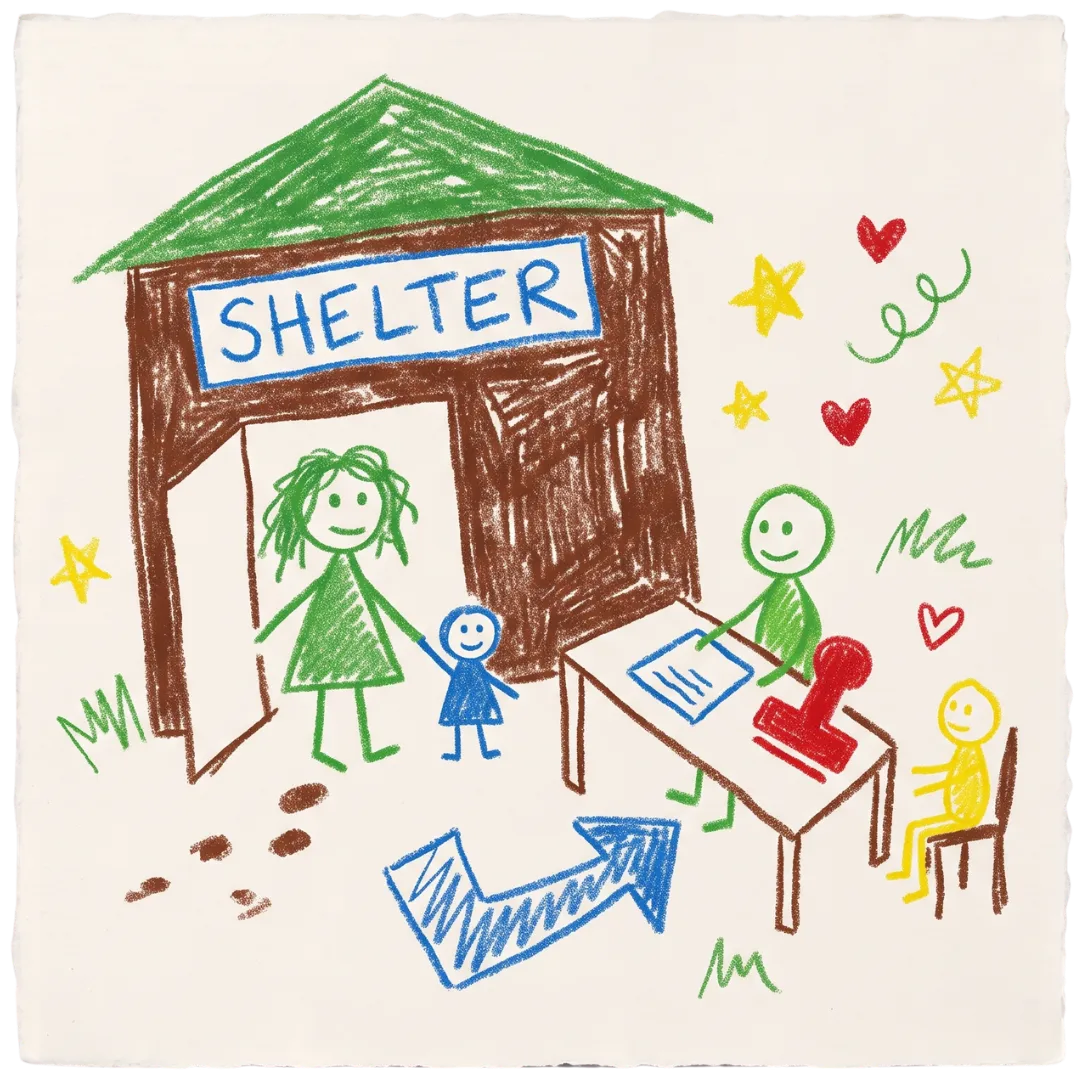
You can work toward what comes next
Healing doesn’t happen all at once. We are here to support you at every stage, from immediate safety to long-term recovery.
Talk with an advocate about shelter
Call ACT to discuss your situation, ask questions, and learn about current residential options and admission.

Create a safety plan
Work with an advocate to think through immediate safety, communication, transportation, children, important documents, and other concerns.


Plan for greater independence
Residents may receive support related to employment, education, finances, housing, and other goals that can help build greater stability.


Get support for your children
ACT’s Children’s Program provides assessment and age-appropriate individual and group counseling for children staying in shelter.

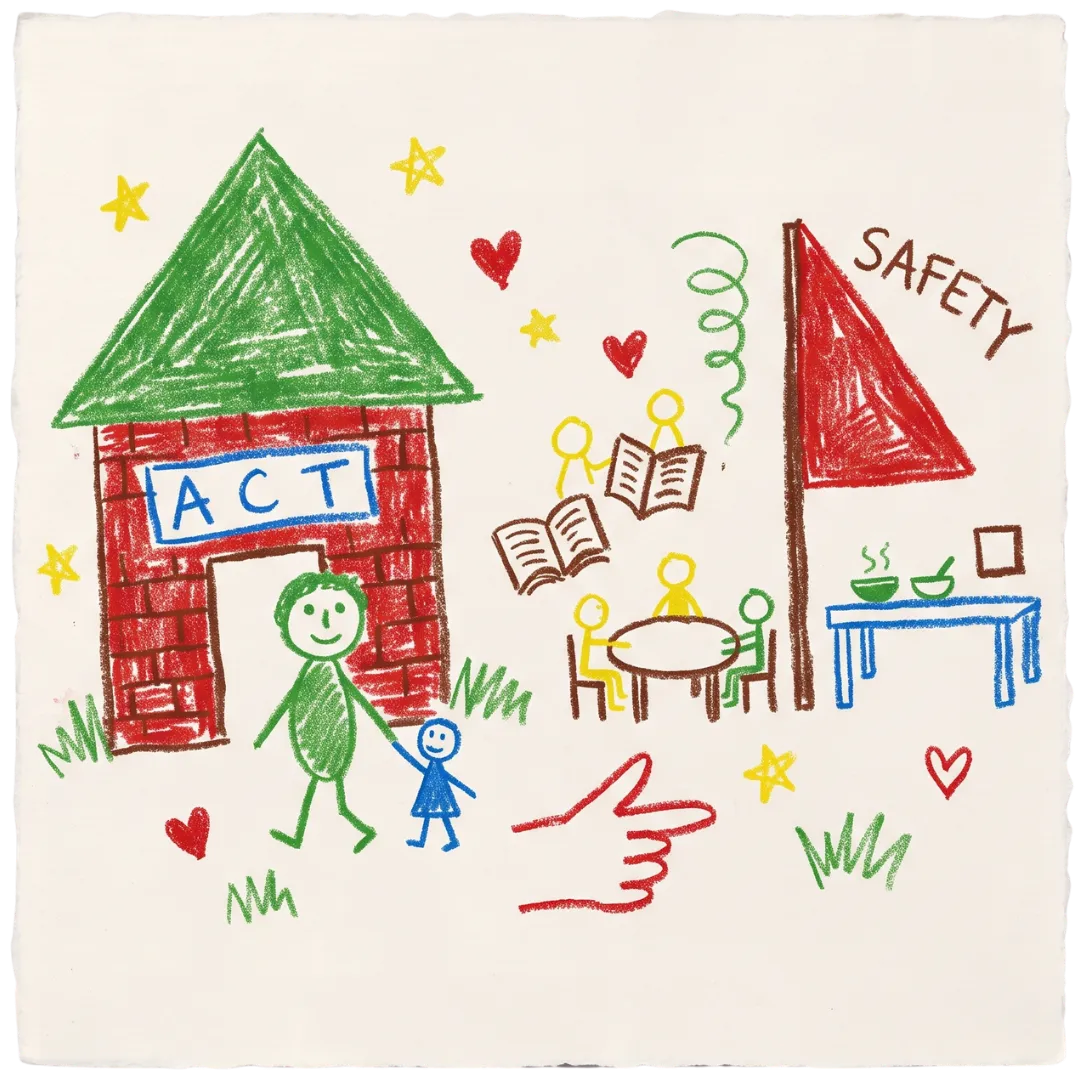
Support throughout your stay
The helpline can be a starting point for connecting with other ACT programs and services.

Safety and counseling

- 24-hour residential support
- Crisis counseling
- Safety planning
- Individual counseling
- Weekly groups
- Information and referrals

Case management and independence

- Individual goal setting
- Case management
- Housing resources
- Employment support
- Job-skills evaluation and training
- Financial literacy
- Health literacy
- GED assistance
- ESOL resources
Children and family support

- Assessment for children
- Individual counseling
- Age-appropriate group counseling
- Parenting groups
- Family-related referrals
- Connections to the Children’s Program
Building stability and independence
ACT’s current Residential Program emphasizes advocacy, access to community resources, social support, employment, education, housing, and personal growth as important parts of helping residents work toward greater independence. ACT also works with community organizations and service providers to connect residents with additional resources.
Frequently asked questions
Helpful information for supporters navigating these complex situations.
Still have questions?
Our advocates are ready to talk through any concerns you have about shelter, safety planning, or your specific situation.
Call Now

Thinking about coming to shelter?
Here are the three primary paths you can explore.
Start with the helpline
Call ACT and tell the advocate what is happening and what kind of help you are looking for.
You do not need to know whether you qualify for shelter before calling.
Talk about safety and admission
An advocate can help you think through immediate safety and discuss current shelter availability, admission procedures, and what you may need.
Plan for your next steps
Once in shelter, ACT staff can help residents work toward goals involving housing, employment, education, finances, family needs, and connections to other resources.

A safer next step can start with a call
You do not have to know exactly what you need or what will happen next. An ACT advocate can listen, help you think about safety, and discuss residential and other support options.