



Sexual assault can take many forms
Sexual assault includes unwanted sexual activity directed toward another person. It may involve physical force, threats, intimidation, manipulation, or other forms of pressure.
Sexual assault can happen to women, men, and children, and the person responsible may be someone the survivor knows.
01
Learn to recognize the signs
Understand common warning signs and dynamics of domestic violence, sexual assault, human trafficking, teen dating violence, and related forms of abuse.

02
Unwanted sexual contact
Any sexual touching or activity that happens without a person’s consent.
03
Force or threats
A person may use physical force, threats of harm, intimidation, or a weapon.
04
Pressure or manipulation
Sexual activity may be unwanted even when physical force is not used.
05
Assault by someone you know
Sexual assault can be committed by a partner, spouse, acquaintance, friend, family member, or another person known to the survivor.
06
Sexual violence can affect anyone
Sexual assault can happen to people of any gender or age.
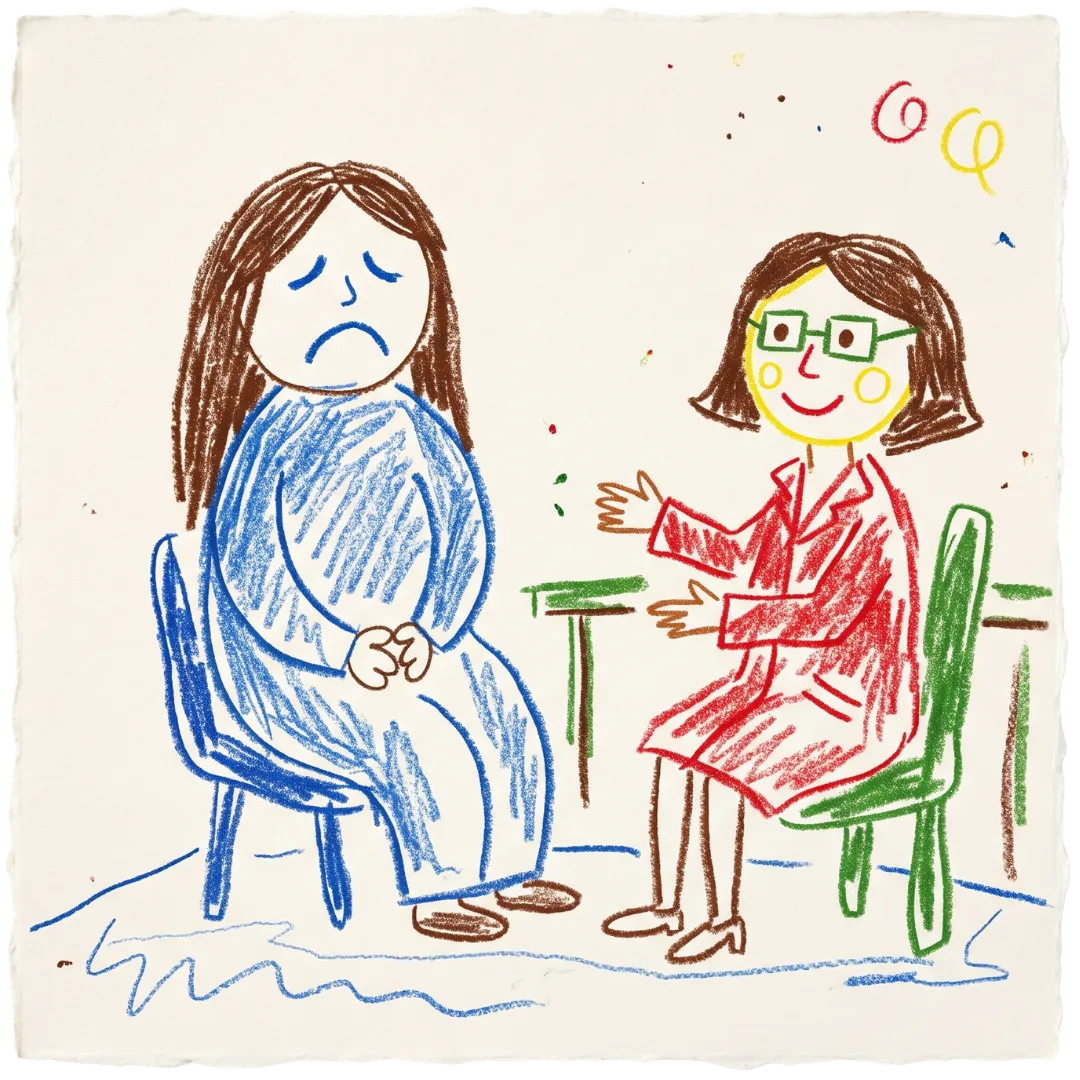
Your response does not have to look a certain way
Sexual assault can be unexpected, traumatic, frightening, and sometimes life-threatening. There is no single “right” way to respond during or after an assault.

What you did to survive was valid
You may have fought, frozen, complied, tried to calm the person, or responded in another way. Survival does not equal consent.
You may know the person
An assault is still sexual assault when the person responsible is a partner, spouse, friend, acquaintance, or someone else you know.
You can ask for help
You can contact ACT to talk through what happened, learn about services, or ask questions about your options.
People close to you may need support too
Family members, partners, friends, and loved ones can also be affected. ACT provides counseling and education to help them understand sexual violence and support the survivor.
Important Note: You do not need to have everything figured out before asking for help.

You can take one step at a time
Healing doesn’t happen all at once. We are here to support you at every stage, from immediate safety to long-term recovery.

Talk with an advocate
Ask questions, talk about what happened, and learn about the services available to you.


Ask about medical and forensic care
ACT provides forensic examinations and can help you understand what services may be available after a sexual assault.


Find counseling and support
ACT provides individual counseling, group counseling, and therapy for people affected by sexual assault.


Find somewhere safer to stay
If you are concerned about your immediate safety or need somewhere else to go, explore shelter and safety resources.



Education, training, and community outreach
Here are the three primary paths you can explore.

Professional education

- In-service trainings
- Professional seminars
- Agency presentations
- Specialized topic education
- Prevention and awareness training
Schools and community programs

Document physical harm or sexual assault with specialized medical staff in a supportive environment.
- Medical exams by specialists
- Injury documentation
- Evidence collection (if desired)
- Support with medical follow-up

Prevention and awareness

- Domestic violence education
- Sexual assault education
- Human trafficking awareness
- Teen dating violence prevention
- Bystander education
- Bullying prevention

Frequently asked questions
Here are answers to some frequently asked questions about our services and your safety.

Thinking about reporting?
You may have questions about medical care, forensic examinations, law enforcement, or what happens if you decide to report.
You do not have to figure out those questions alone.
An ACT advocate can talk with you about available options.
Talk with an advocate

Start by talking through what happened and what you would like to know.
An advocate can provide information and help you identify possible next steps.
Ask about medical and forensic care
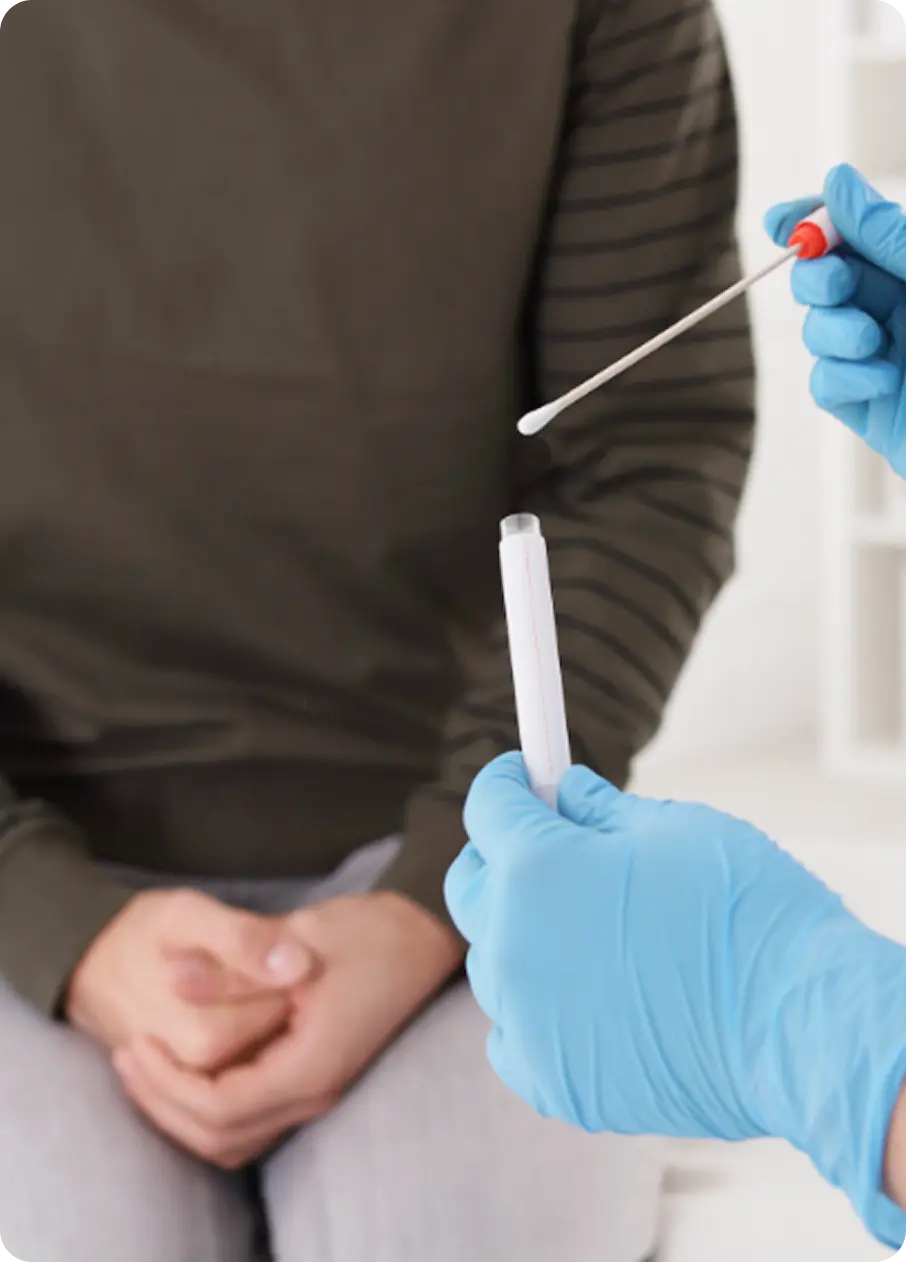
ACT provides forensic examinations for sexual assault survivors.
Contact ACT to learn what services are currently available, where to go, and what you can expect.
Contact law enforcement

If you are in immediate danger, call 911 if it is safe to do so.
If you are considering making a report, an advocate can help you understand available resources and prepare questions about the process.