


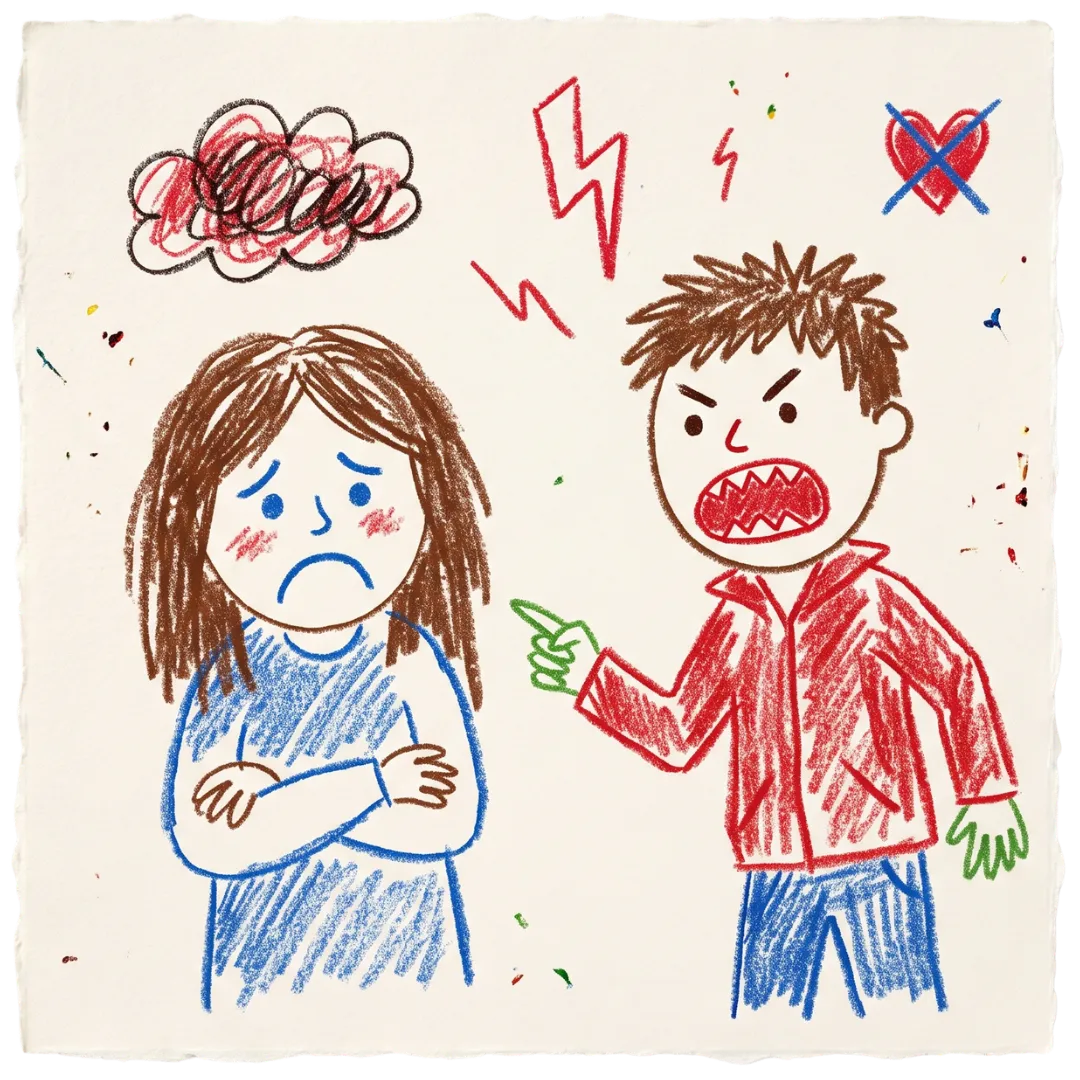
Abuse does not have to leave a mark
Teen dating violence is more than physical violence. It can include behaviors meant to frighten, pressure, isolate, monitor, humiliate, threaten, or control someone.
Healthy relationships allow both people to have friends, interests, privacy, boundaries, and a voice in decisions.
01
Emotional and verbal abuse
Insults, humiliation, yelling, constant criticism, threats, blaming you for everything, or making you feel worthless.

02
Control and isolation
Telling you who you can see, what you can wear, where you can go, or pressuring you to give up friends, family, hobbies, or activities.
03
Digital abuse
Demanding passwords, constantly texting or calling, checking your phone, tracking your location, controlling social media, or using technology to embarrass or threaten you.
04
Physical abuse
Pushing, grabbing, slapping, hitting, kicking, restraining, damaging property, or using physical force to frighten or hurt you.
05
Sexual pressure or abuse
Pressuring, manipulating, threatening, or forcing sexual activity or sharing sexual images without permission.
06
Threats and stalking
Repeated unwanted contact, following you, showing up unexpectedly, threatening you or people you care about, or making you afraid for your safety.
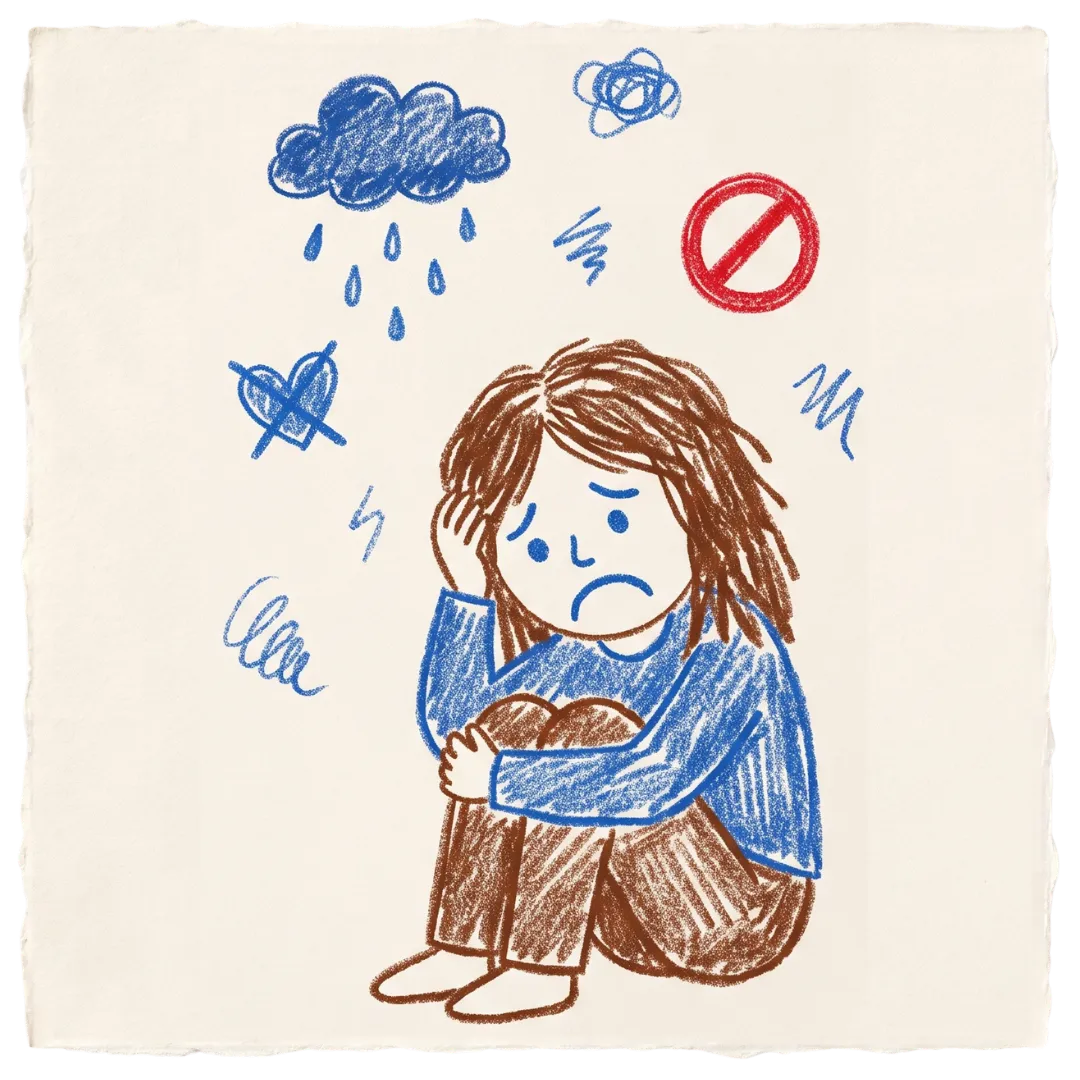
Does any of this feel familiar?
You do not have to experience every warning sign for the relationship to be unhealthy or unsafe.
If you are a teen
- You are afraid of how your partner will react.
- You feel anxious, confused, sad, trapped, or disrespected.
- Your partner is extremely jealous or possessive.
- They constantly call, text, track, or check up on you.
- They tell you whom you can see or what you can wear.
- They insult you or put you down.
- They blame you for their anger or behavior.
- They pressure you into sexual activity.
- They threaten you, themselves, your friends, family, or pets.
- They punch walls, break things, or use anger to frighten you.
- You have stopped seeing friends or doing things you enjoy.
- You feel like you have to change your behavior to keep the peace.
If you are a parent or trusted adult
You may notice:
- A sudden change in mood or confidence
- Withdrawal from friends, family, or activities
- Constant calls, messages, or check-ins from a partner
- Fear or anxiety around upsetting the partner
- Unexplained injuries or damaged belongings
- Changes in school attendance or grades
- A partner who seems unusually controlling or possessive
- A teen giving up activities or friendships for the relationship
A change in behavior does not automatically mean abuse is happening, but it can be a reason to check in privately and without judgment.

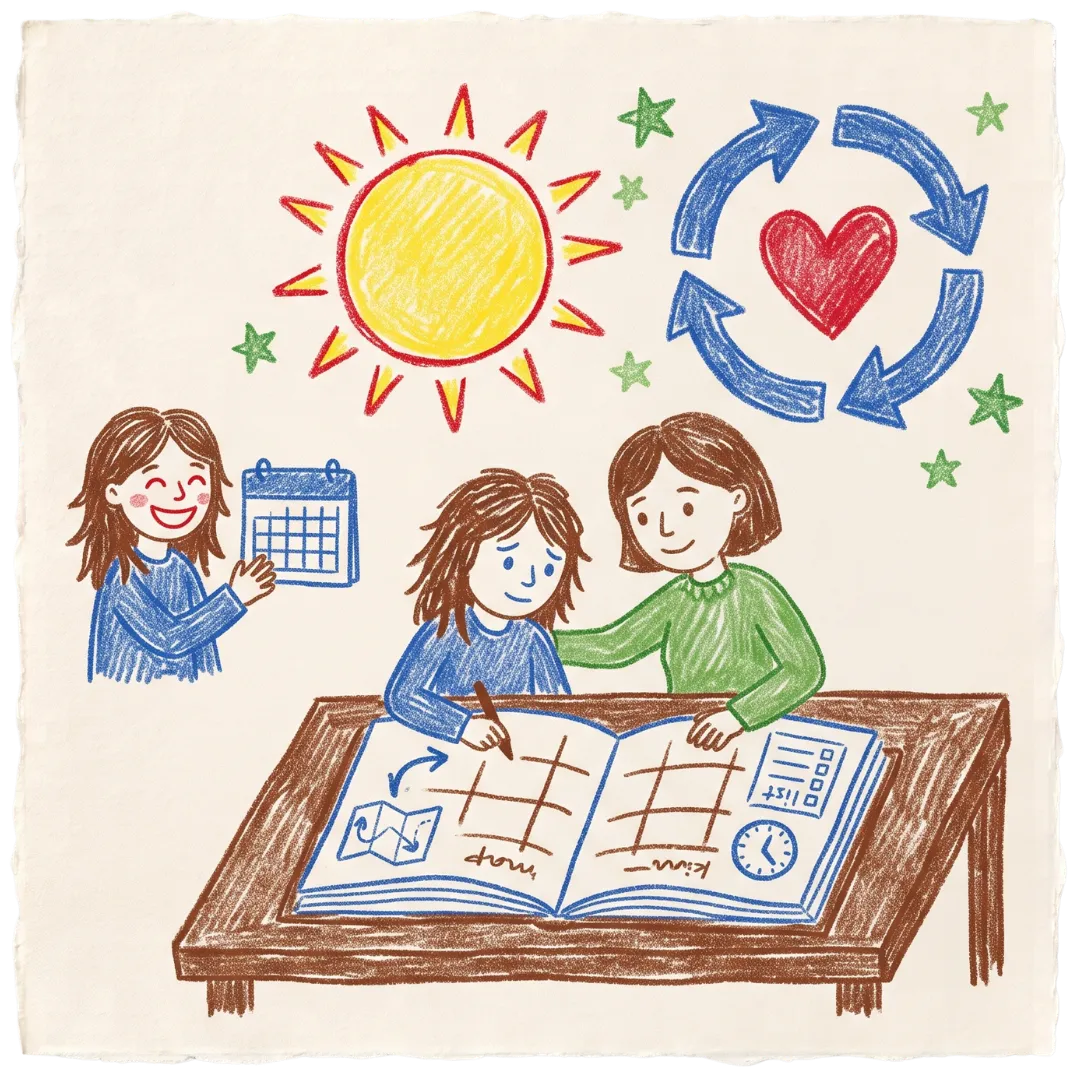
You can take one step at a time
Healing doesn’t happen all at once. We are here to support you at every stage, from immediate safety to long-term recovery.
Talk to someone you trust
Consider talking with a parent, family member, teacher, counselor, coach, advocate, or another adult who makes you feel safe.
You do not have to explain everything at once.

Make a safety plan
Think about who you can contact, where you could go, safe transportation, school routines, digital privacy, and how to get help quickly.
A safety plan can help whether you stay in the relationship, are thinking about ending it, or have already ended it.
Think about digital safety
Review passwords, location sharing, shared accounts, social media settings, devices, and who may have access to your information.
Do not suddenly change settings if doing so could make the situation more dangerous.

Find somewhere safer to go
If being at home, school, or around your partner does not feel safe, talk with a trusted adult or advocate about possible places to go and what support may be available.

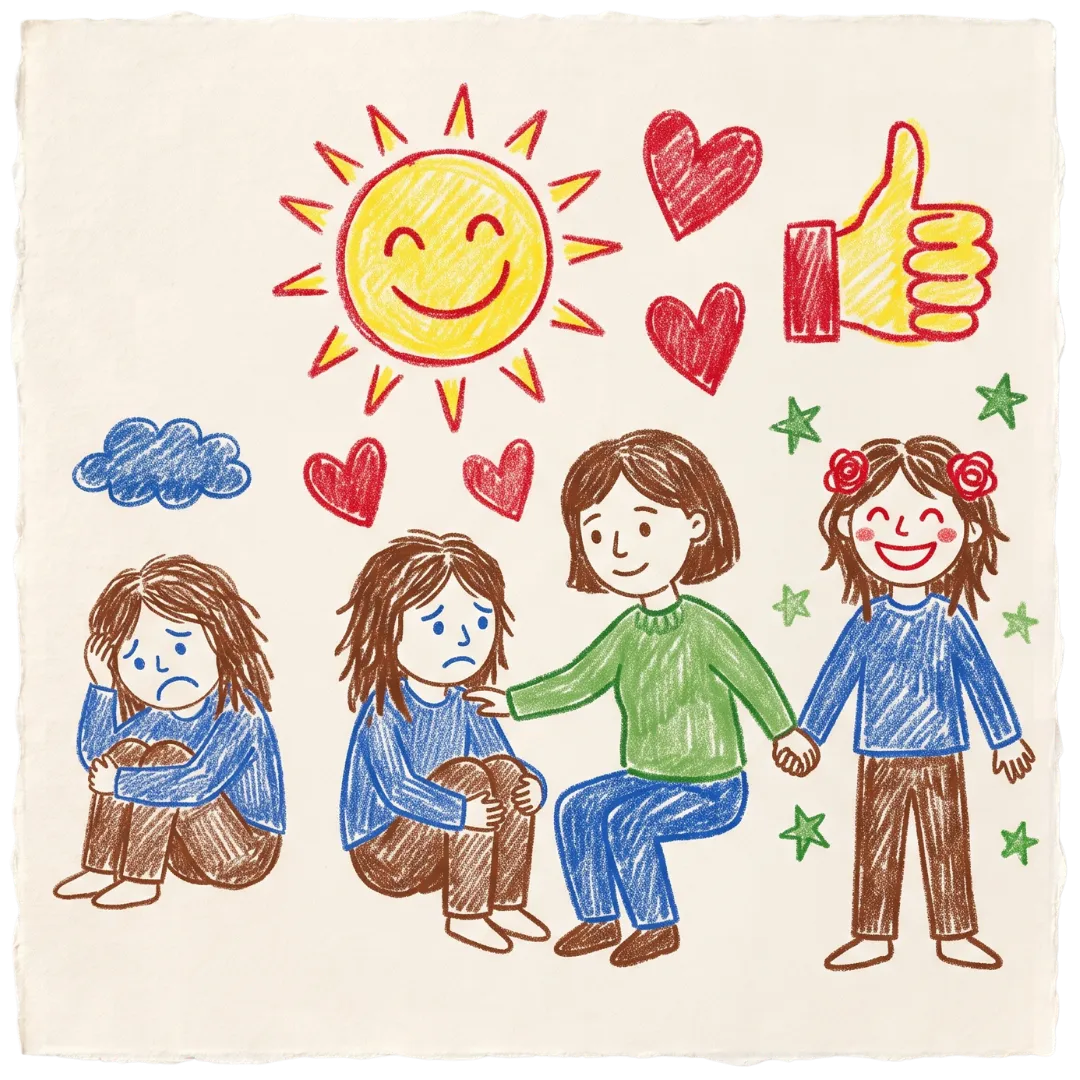
Support is available
Here are the three primary paths you can explore.

For Teens

- 24-hour helpline
- Safety planning
- Information and referrals
- Help understanding options
- Connections to counseling and other services

For parents and caregivers

- Guidance on how to start a conversation
- Help understanding warning signs
- Safety-planning information
- Support and referrals
- Help thinking through next steps

For schools and communities

- Teen dating violence education
- Healthy relationship education
- Prevention programs
- Classroom and professional training
- Community resources and referrals

Frequently asked questions
Here are answers to some frequently asked questions about our services and your safety.

Start by listening
Teens may hesitate to talk about dating abuse because they fear judgment, embarrassment, punishment, losing dating privileges, retaliation from their partner, or having adults make decisions for them.
If a teen tells you something is wrong:
- Give them your full attention.
- Believe what they tell you.
- Ask about their concerns and fears.
- Tell them the abuse is not their fault.
- Avoid blaming or criticizing them.
- Ask what kind of help they want.
- Help them create a safety plan.
- Respect their privacy as much as safety and the law allow.
- Keep offering support even if they are not ready to leave.
- Do not try to confront or “rescue” them on your own.
Helpful things to say
“I believe you.”
“You do not deserve to be treated this way.”
“You can talk to me without getting in trouble.”
“What would help you feel safer?”
“We can look at your options together.”
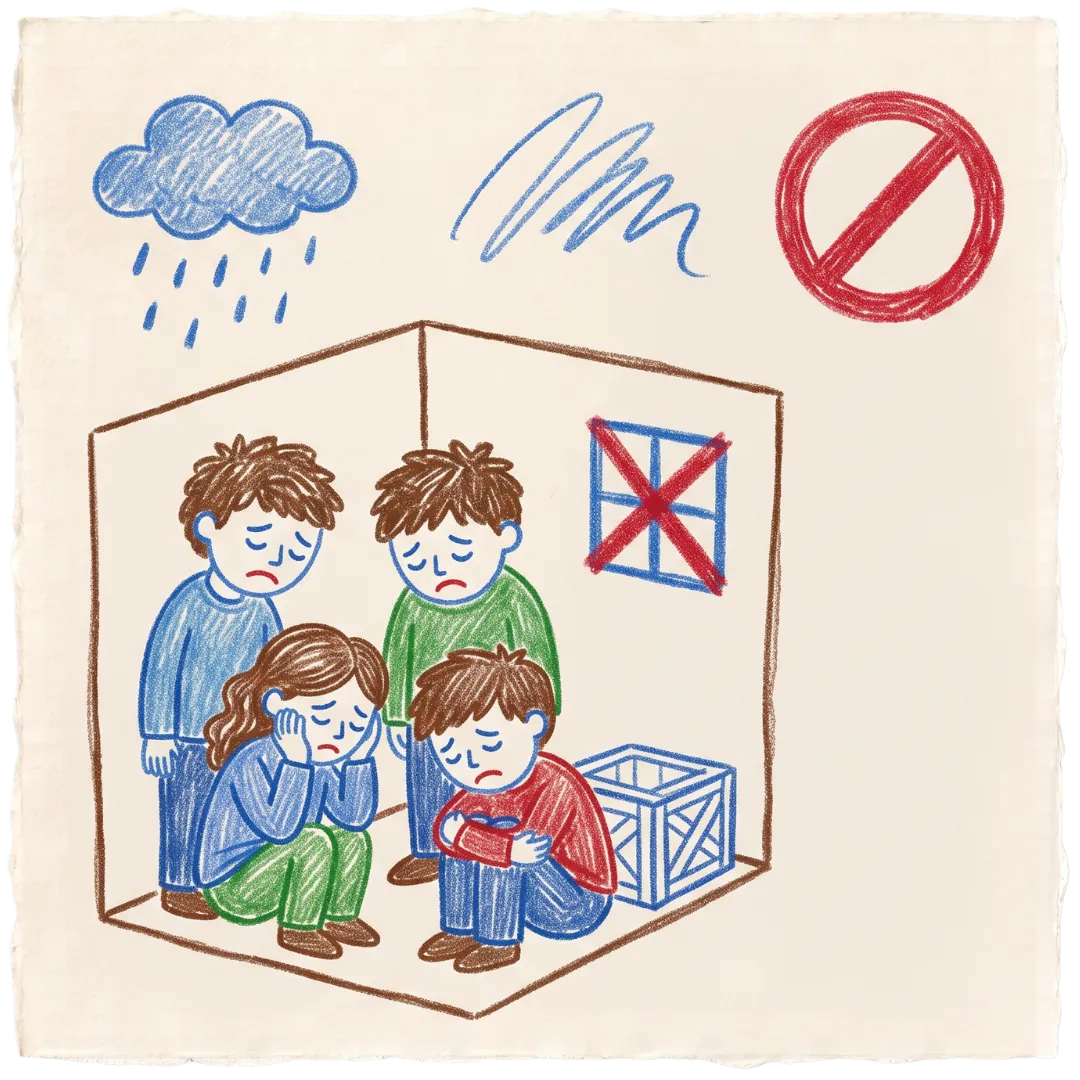
Make a plan that fits your life
A safety plan should consider the places and technology that are part of a teen’s everyday life.

Trusted people
Choose adults, friends, teachers, counselors, coaches, or family members you could contact for help.
School safety
Think about classes, transportation, lunch, activities, and places where you could go if you feel unsafe.
Communication
Decide how you can safely contact trusted people and consider a code word that means you need help.
Digital safety
Review location sharing, passwords, apps, social media, shared devices, and accounts.
Avoid being Isolated
When you are concerned about your safety, stay near trusted people and avoid meeting the person alone when possible.
Ending a relationship
If you want to end the relationship, consider the safest way to do it. Tell trusted people about your plan and ask an advocate or adult for help if you are worried about retaliation.
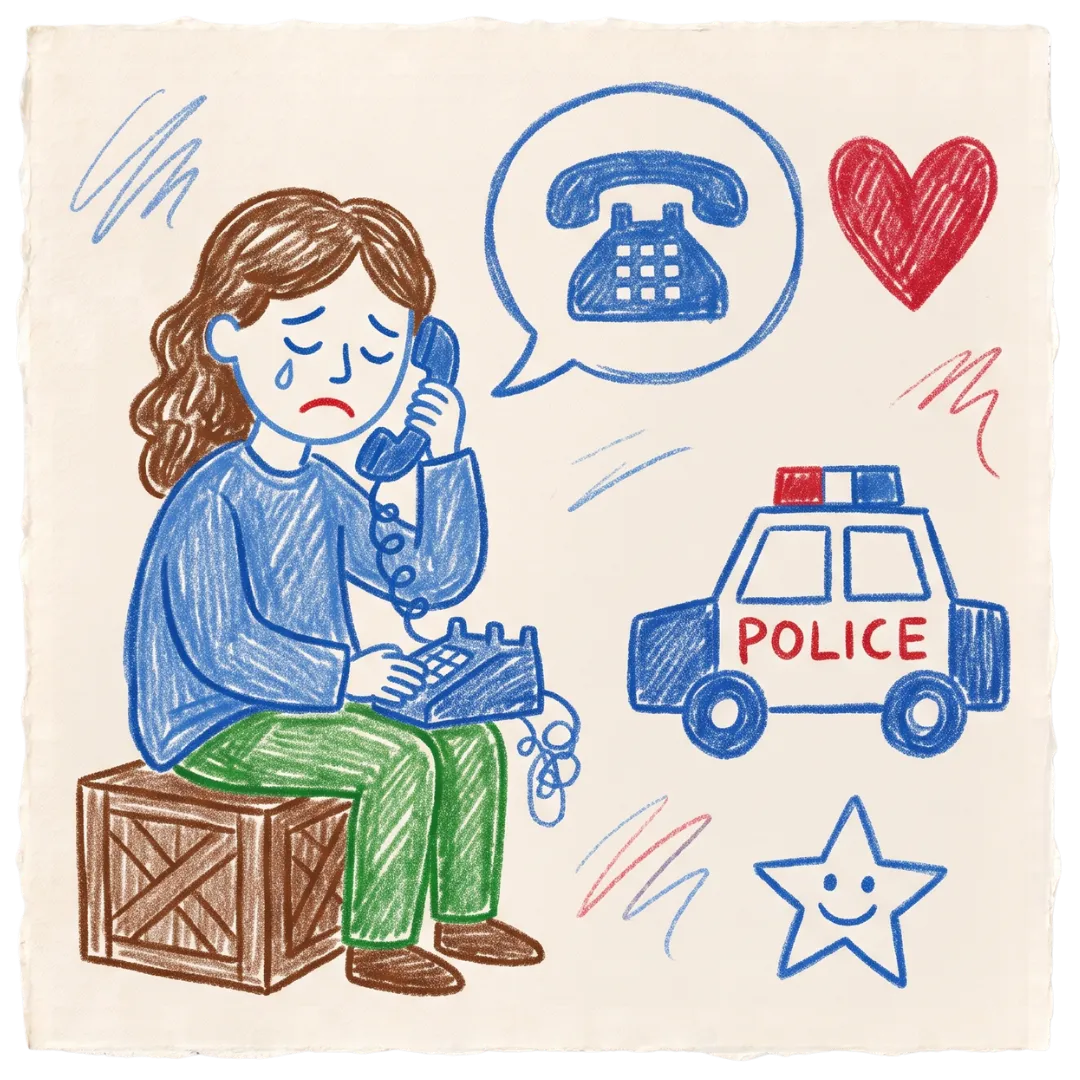
You do not have to handle this by yourself
A teen may choose to talk with a trusted adult, school professional, advocate, healthcare provider, or law enforcement depending on the situation.
Talk with an ACT advocate

Ask questions about safety, services, and possible next steps before deciding what you want to do.
Tell a trusted adult or school professional

A parent, caregiver, counselor, teacher, coach, or another trusted adult may be able to help with safety at home, school, transportation, or contacting other services.
Important note:
Some professionals may be legally required to report certain concerns involving minors. A teen can ask what information must be reported and what can remain private before sharing details.
Emergency or law-enforcement help

If someone is in immediate danger, call 911 if it is safe to do so.
For non-emergency concerns, an advocate can help you think through questions about reporting and other available resources.
Additional resource
Love is respect

Young people and people supporting them can also contact love is respect for dating-abuse information and support.
Phone: 1-866-331-9474
Text: LOVEIS to 22522
Link: Visit loveisrespect.org