


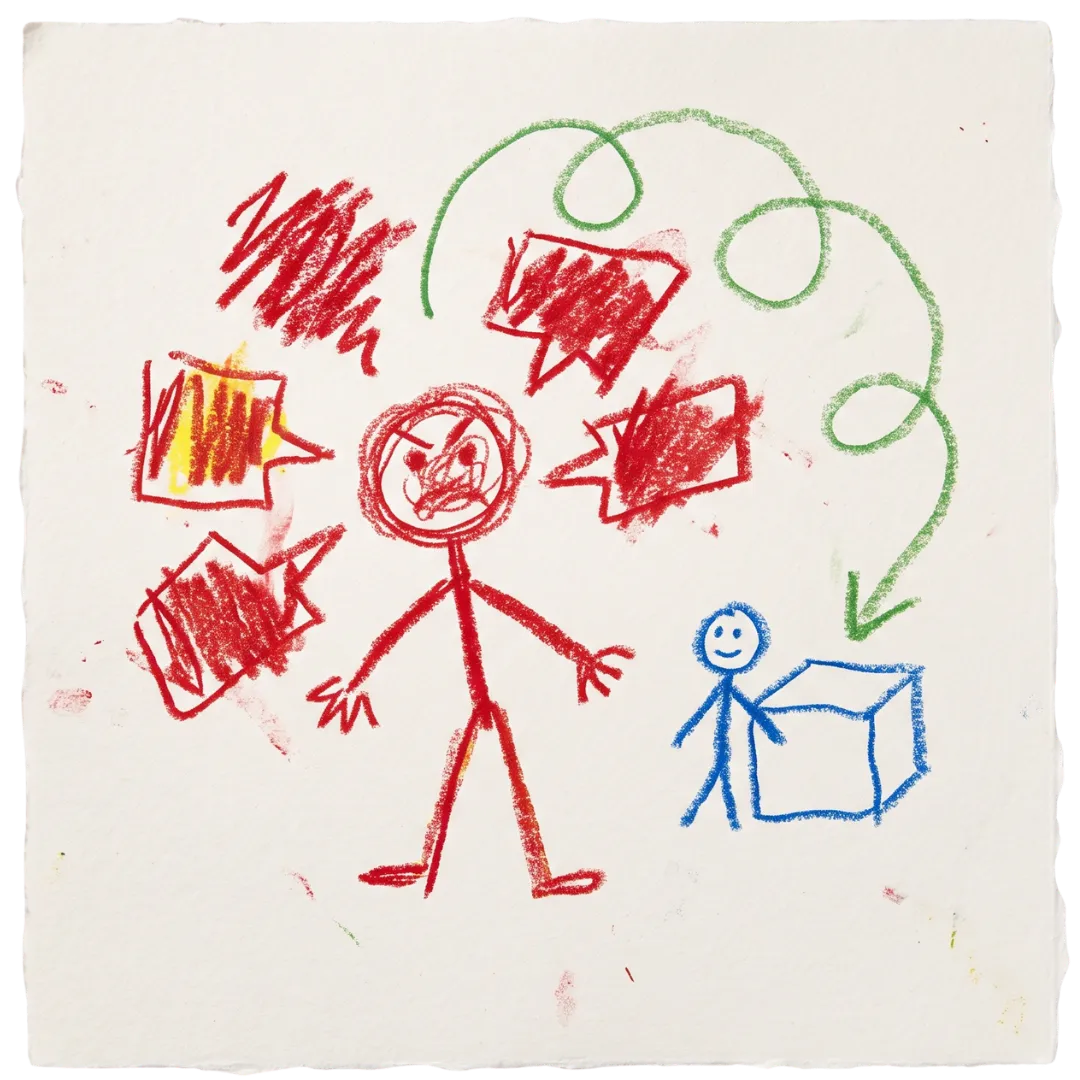
Accountability is the starting point for change
ACT’s BAN Program is a 29-week Batterers’ Intervention Program focused on helping participants understand domestic violence and replace abusive, intimidating, threatening, or violent behaviors with safer and nonviolent alternatives.
Participants are encouraged to recognize the effects of their behavior on partners, children, themselves, and others.

Recognize abusive behavior

Learn how behaviors involving intimidation, isolation, threats, violence, power, and control can affect another person.

Take responsibility

The program addresses denial, minimizing abusive behavior, and blaming other people for anger or loss of control.

Interrupt escalation

Participants learn strategies intended to help them recognize escalating behavior and respond differently.

Build communication skills

Group sessions address communication, listening, problem solving, negotiation, and conflict-resolution skills.

Practice nonviolent alternatives

Participants work on developing different behaviors, attitudes, and responses to conflict.
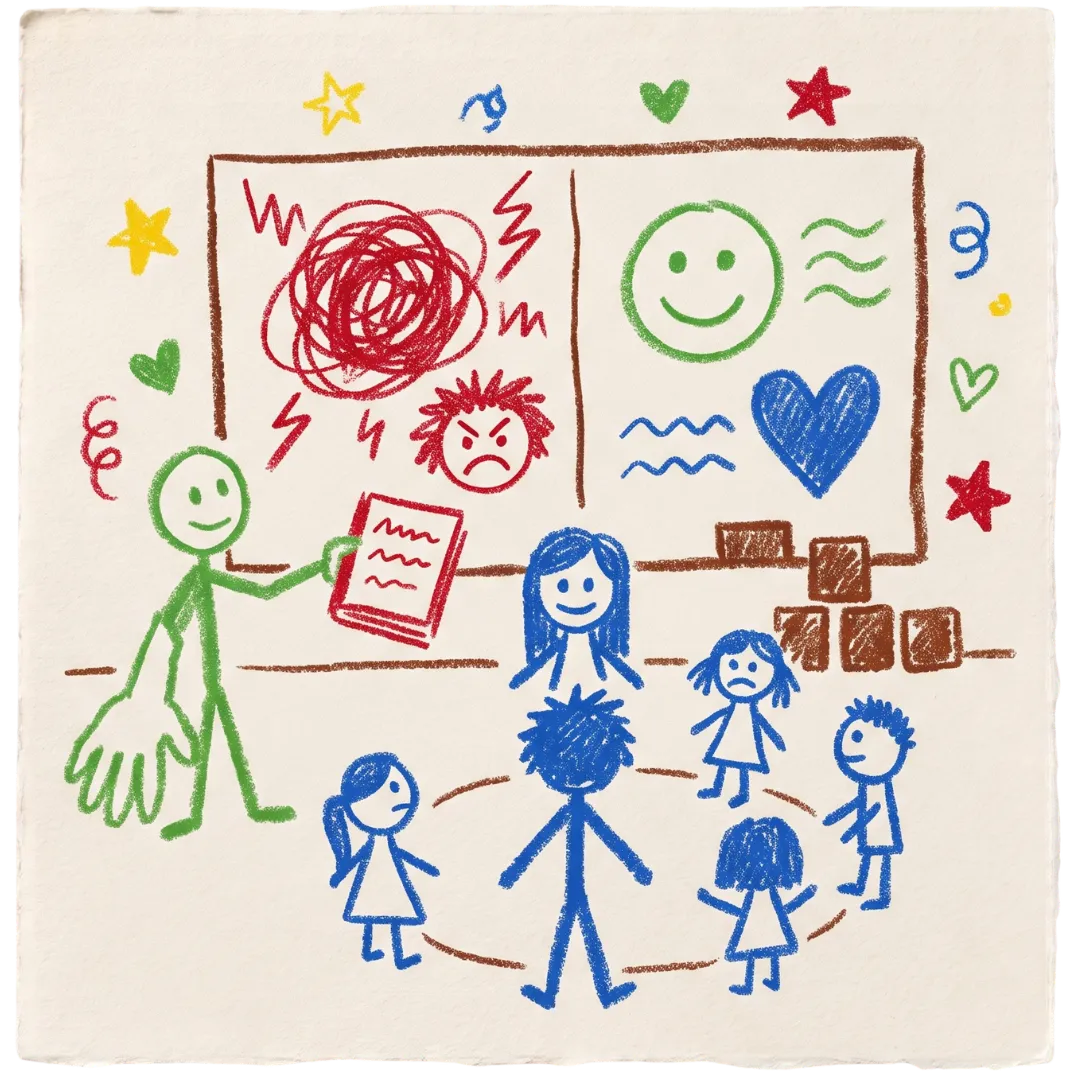
Recognizing patterns is part of changing them
The current BAN Program teaches participants to identify patterns that can contribute to abusive or violent behavior.
- Denying that abusive behavior occurred
- Minimizing the seriousness of abusive behavior
- Blaming a partner or another person
- Using intimidation or threats
- Trying to isolate or control another person
- Using violence during conflict
- Difficulty recognizing escalating behavior
- Confusing control with conflict resolution
- Harmful expectations about gender roles
- Difficulty communicating or listening
- Responding aggressively rather than assertively
- Repeating patterns that affect partners, children, and families
Understanding cycles of violence
The current ACT program describes a pattern in which tension can build, abusive behavior occurs, and remorse or promises may follow.
The purpose of intervention is to help participants recognize harmful patterns and develop different responses rather than continuing them.

Find the program that matches your referral or needs
Healing doesn’t happen all at once. We are here to support you at every stage, from immediate safety to long-term recovery.

BAN — Batterers’ Intervention Program
A 29-week intervention program focused on domestic violence, accountability, power and control, communication, and nonviolent behavior.


Anger Management
A psychoeducational group focused on understanding anger, recognizing escalation, and practicing different responses.
ACT’s current page lists 8-week or 16-week Anger Management programs depending on the referral source.


Assessment and intake
Participants may need an assessment, orientation, or intake before entering a program.


Referred by an agency or court
ACT’s current program includes monitoring and reporting to referring agencies.
If you were referred by a court, agency, probation officer, attorney, or another organization, contact ACT to confirm the program and documentation you need.

Skills and education for changing behavior
The helpline can be a starting point for connecting with other ACT programs and services.
Understanding abuse and accountability

Topics currently listed by ACT include:
- Definition of domestic violence
- Patterns of violence
- Power and control
- Self-control versus power and dominance
- Effects on partners
- Effects on children and others
- Taking responsibility for behavior
- Domestic violence education
Communication and problem solving

Participants may work on:
- Identifying and expressing feelings
- Problem-solving skills
- Negotiation
- Conflict resolution
- Communication skills
- Listening skills
- Stress-management techniques
- Developing a support system

Beliefs, behavior, and relationships

Group topics also include:
- Gender-role expectations
- Ethnicity and culture in domestic violence
- Identifying intimidating or isolating behavior
- Developing nonviolent alternatives
- Understanding emotional and behavioral responses
ACT states that BAN facilitators have extensive experience and classroom training related to domestic violence.
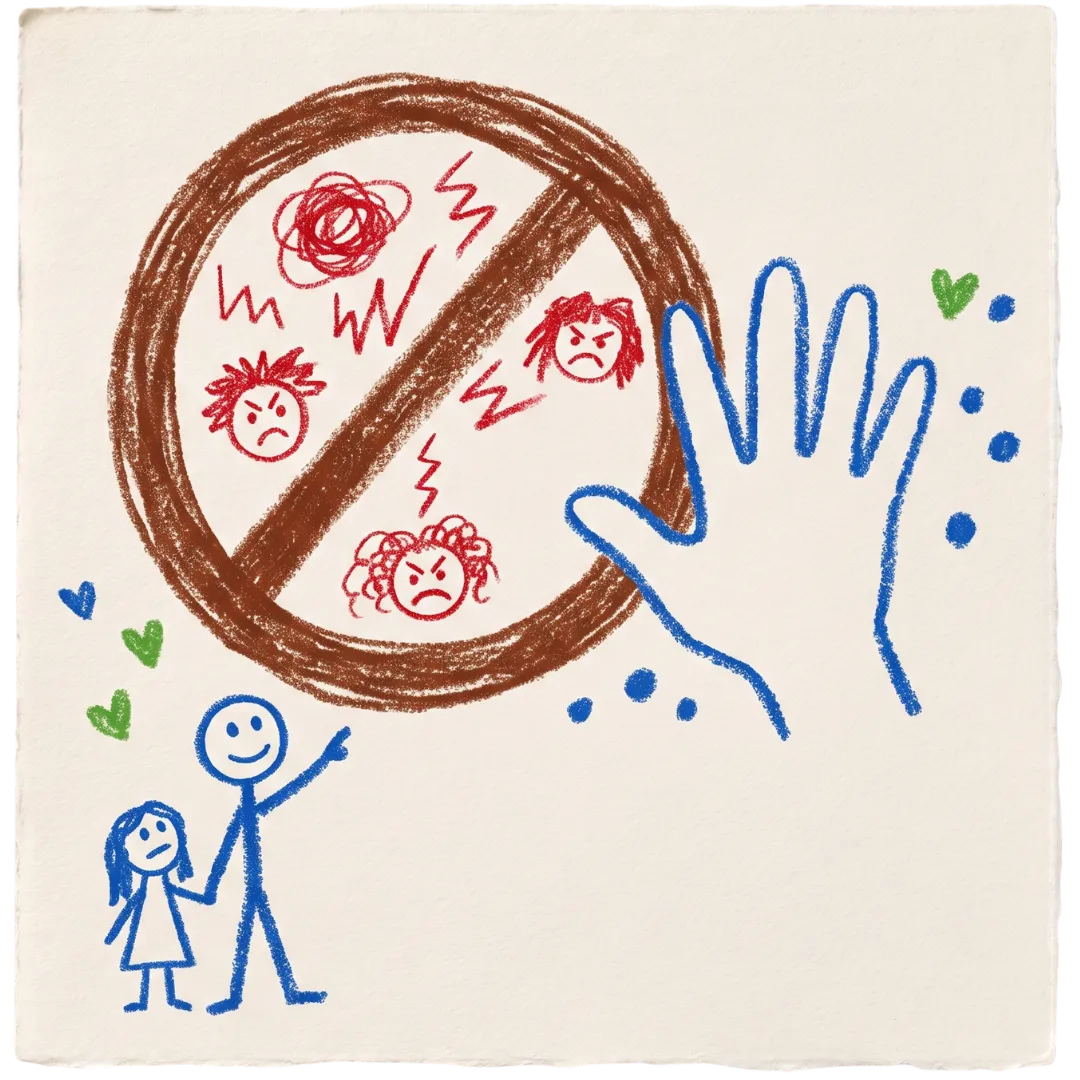
Learn to recognize and respond to anger differently
ACT’s Anger Management Program is described as psychoeducational, with an emphasis on learning information, practicing skills, and developing different behaviors.
Topics currently include:
Understanding anger
- Anger as a normal emotion
- Anger as a secondary emotion
- Identifying personal anger cues
- Self-assessment
Recognizing escalation
- How anger escalates
- Anger versus rage
- Identifying anger responses
- Recognizing patterns before they intensify
Practicing different responses
- Assertiveness versus aggressiveness
- Goal setting
- Practicing new behaviors
- Managing reactions to anger
Current program length:
8 or 16 weeks depending on referral source.
Frequently asked questions
Helpful information for supporters navigating these complex situations.
Still have questions?
Our advocates are ready to talk through any concerns you have about shelter, safety planning, or your specific situation.
Call Now
Ready to register?
Here are the three primary paths you can explore.
Register for the BAN Program
Contact ACT to begin the enrollment process for the 29-week Batterers’ Intervention Program.
Ask about Anger Management
If you need an 8- or 16-week Anger Management program, ACT can help determine which program applies to your referral.
Have a referral?
If a court, probation officer, agency, attorney, or another organization referred you, have your referral information available when contacting ACT.

Program fees
Program fees vary. A sliding-scale fee schedule is available. Contact ACT for current assessment, intake, orientation, and group-session fees.

Related ACT programs
Explore ACT programs and services
24-Hour Hotline
Call at any time for crisis counseling, information, referrals, safety planning, or help finding the right ACT program.
 Learn About the 24-Hour Hotline
On-Call Crisis
Learn about crisis response for people affected by domestic violence and sexual assault.
 Explore Crisis Response

Non-Residential Program
Explore ongoing counseling, therapy, and support groups.
 Explore Counseling and Support
Children’s Program
Learn about age-appropriate counseling and educational support for children.
 Explore the Children’s Program
Human Trafficking Program
Explore specialized services for people affected by human trafficking.
 Learn About Human Trafficking Support